September 24, 2026
Building Synthetic Roof Covering vs Standard Products in the Midwest
By @fernandobjdl714
Anyone that has invested a few years enjoying roofing systems age in the Midwest finds out promptly that this area is ruthless. A roof below does not face one environment. It deals with all of them. January can bring ice dams, wind chill, and heavy snow resting on the eaves for days. April commonly delivers freeze-thaw swings and tough rain. Summer season cooks dark surface areas under solid UV direct exposure, then rolls in hail storm and straight-line winds. Loss goes down leaves right into valleys and gutters, capturing dampness where weak materials begin to fail.
That environment reality is the genuine backdrop for the discussion around architectural artificial roofing versus traditional products. Homeowners are no more picking exclusively on appearance or first price. They are weighing weight, weather efficiency, maintenance cycles, setup intricacy, and how well a roofing system will certainly still look after 10 or twenty Chicago-area wintertimes. In higher-end neighborhoods, that conversation gets even much more details. Individuals desire the aesthetic richness of slate, cedar shake, or ceramic tile, however they also want a system that does not penalize them with continuous upkeep.
The increase of costs synthetic roof covering is not a trend. It is a feedback to useful issues that standard roofing products have actually always had, especially in the Midwest.
What "architectural synthetic roofing" actually means
The term obtains made use of freely, so it assists to specify it. Architectural artificial roof usually refers to crafted roof covering items designed to reproduce the appearance of all-natural slate, cedar shake, or clay ceramic tile while enhancing effect resistance, decreasing weight, and streamlining setup. Depending on the producer, these items may be made from advanced polymers, recycled composite blends, or various other crafted materials.
Not all synthetic roofings are created equivalent. Some are plainly entry-level choices indicated to strike a rate factor. Others are true premium synthetic roof products with deep accounts, shaped texture, personalized color blending, and accessory pieces that produce a completed, encouraging roofline. The difference matters. A deal synthetic shingle may look flat and recurring from the road. A durable architectural item can fool most individuals up until they are standing a couple of feet away.
In sensible terms, the very best architectural synthetic roof aim to address a difficult formula. They attempt to maintain the aesthetic charm of heritage materials while decreasing a few of the responsibilities that include them.
Why the Midwest alters the equation
A roofing material that executes well in a completely dry, temperate climate might dissatisfy severely in Illinois, Wisconsin, Indiana, or Michigan. The Midwest subjects weak points fast.
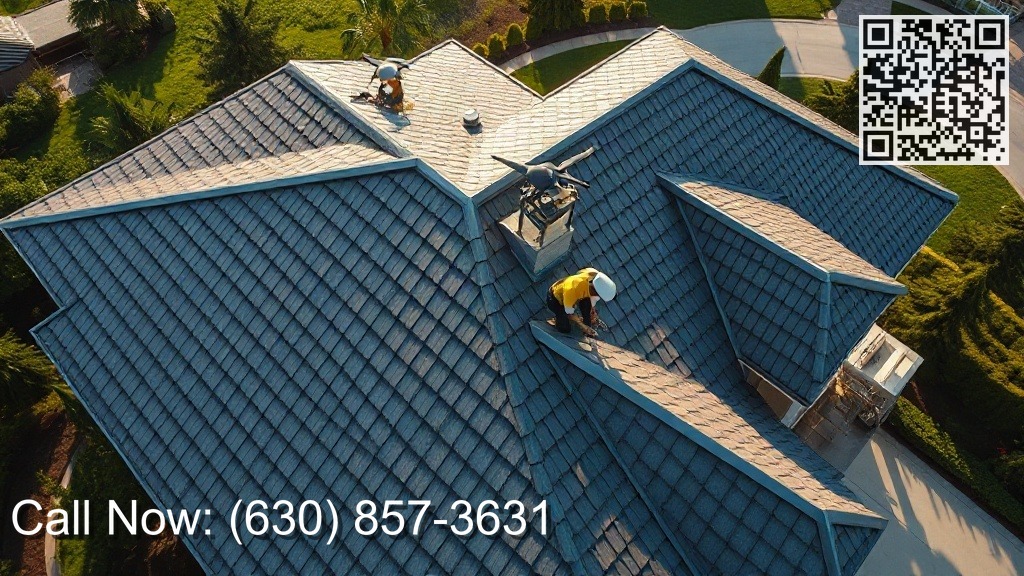
Natural cedar, as an example, can be beautiful. Fresh cedar shake has heat and deepness that house owners like. But on homes shaded by mature trees, particularly near the lakeshore or in recognized suv lots, dampness retention comes to be a severe concern. Shakes can cup, split, darken erratically, and welcome moss or algae development. That does not indicate cedar is a bad item. It indicates cedar needs the right setting and attentive maintenance, which not every house owner is prepared to provide.
Natural slate is an additional instance. Effectively sourced and mounted slate can last a long time. It carries unmatched eminence. Yet slate is hefty, breakable under foot traffic, pricey to fix, and ruthless of installment blunders. In the Midwest, where roofing replacement commonly complies with tornado occasions and insurance coverage timelines, finding crews with real slate competence can be challenging. One misplaced step on a cold morning can break items that then require specific replacement.
Asphalt roof shingles, the default selection throughout much of the area, fix a few of these troubles but present others. They are accessible and acquainted, and a quality architectural asphalt tile remains a reasonable roof for numerous homes. Still, Midwest hail, granular loss, thermal cycling, and wind direct exposure can reduce real-life efficiency compared to what homeowners anticipate when they hear a lengthy service warranty term.
That is why residential synthetic roofing has actually carved out a growing area in the market. It sits in between aspiration and practicality.
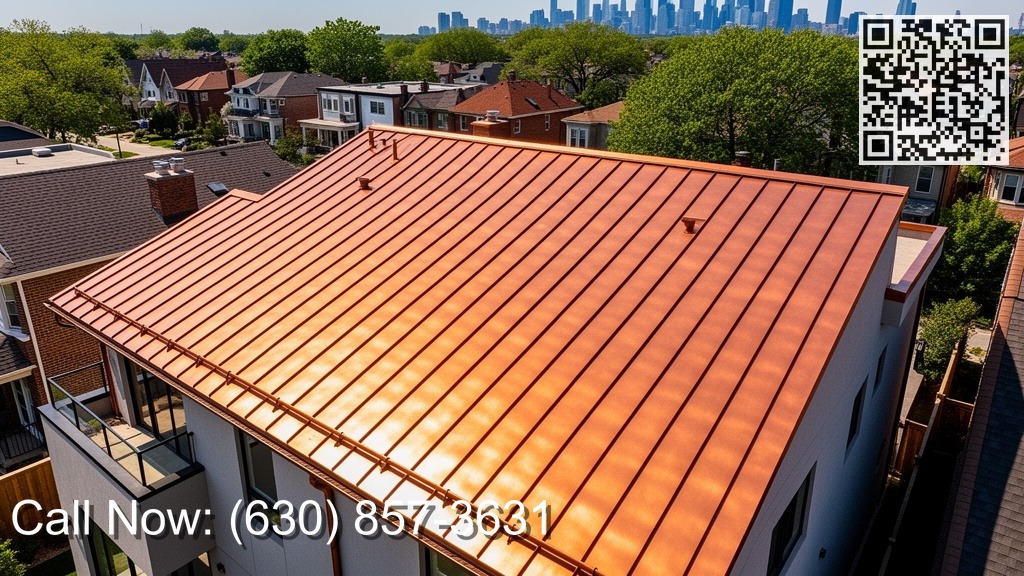
How synthetic roof compares to asphalt, cedar, slate, and tile
The strongest case for artificial roof covering roof shingles is not that they defeat every standard product in every category. They do not. The case is that they frequently perform better throughout the categories that matter most to Midwest homeowners.
Asphalt roof shingles still win on entry expense. If spending plan is the very first and overriding problem, asphalt continues to be one of the most usual solution. A home owner changing a normal country roof covering after storm damages can frequently maintain expenses within an acquainted range with laminated tiles. Yet the lasting photo can move if repeated repair work, shorter life span, or visual limitations matter.
Cedar provides appeal that is hard to fake when it is new. On historical homes and certain architectural designs, it looks precisely right. Yet its maintenance problem is real. In areas with heavy tree cover, I have seen cedar roofings begin revealing irregular wear well prior to owners anticipated it. As soon as splitting and wetness biking increase, the roof covering can go from "weather-beaten and handsome" to "weary and susceptible" faster than many people prepare for.
Slate is still the criteria for reputation, yet it brings architectural and logistical factors to consider. Some homes need support to support it. Repair needs competent hands. Blinking details become crucial. The material itself can outlast lots of other components of your house, but just if the entire system is treated with that exact same level of care.
Clay and concrete floor tile are much less common in the upper Midwest than in warmer areas, partially due to style fit and partially due to the fact that freeze-thaw problems can be penalizing. Tile also includes weight and complexity, and it does not make sense on every roofing structure.
Architectural synthetic roof enters that mix as a lower-weight, often impact-rated option that can simulate slate or tremble well while tolerating Midwest weather far better than many proprietors anticipate. A well-chosen artificial roofing system substitute can give the visual declaration of a deluxe roofing without compeling the home to lug the structural lots or the same upkeep demands of natural materials.
Appearance, and the concern property owners rarely ask correctly
Most people ask whether synthetic roofing looks "actual." That is easy to understand, however it is not fairly the best question. The far better inquiry is whether it looks proper on the house.
An excellent roof covering is not just an isolated product. It needs to fit the range, architecture, exterior siding structure, stonework color, home window trim, and also the account of the gutters and blinking. Some synthetic products have hefty darkness lines and varied widths that suit a Tudor, French country, or lakefront customized home magnificently. Others look too uniform for a high-end build and can really undervalue the exterior if the pattern repeats too obviously.
This is especially important with synthetic roof covering for deluxe homes. Customers on top of the market notification information. They may not determine the supplier from the driveway, however they can inform when a roof covering feels flat, shiny, or out of proportion. The best premium synthetic roof items stay clear of that trouble by blending sizes, incredible discloses, and making use of combined pigmentation that looks like natural aging rather than a factory-printed monotone.
In areas such as Naperville, Hinsdale, Lake Woodland, and parts of the North Shore, roof covering selection usually intersects with design evaluation standards, area expectations, and resale positioning. A homeowner searching for synthetic roofing Naperville IL is commonly not searching for the most affordable roof available. They are searching for the right visual outcome with fewer headaches over time.
Weight issues more than lots of people realize
Structural load is not an attractive subject, yet it drives several roof covering choices behind the scenes. All-natural slate and tile can weigh several times greater than asphalt or many synthetic options. On a new personalized construct, an engineer and designer can prepare for that from the first day. On an existing home, the tale is different.
I have seen property owners love the appearance of slate, only to learn that bringing their mounting up to the necessary capacity would certainly add a considerable expense prior to a solitary roof tile was installed. That sort of discovery can thwart a task fast. Synthetic roof commonly preserve the desired look while avoiding support work.
Lower weight also assists in subtler means. It can decrease tension on older framing participants, streamline staging and taking care of on site, and ensure roof layouts much more practical to perform. It does not get rid of the demand for skilled labor, however it widens what is possible on an existing Midwest home.
Hail, wind, and effect resistance
This is where synthetic roofing systems frequently earn their maintain. In the Midwest, tornado efficiency is not theoretical. Hailstorm cases are common sufficient that property owners and insurance firms both pay very close attention to effect resistance ratings.
Many premium artificial roof items are crafted to accomplish high impact resistance, commonly much better than natural slate or cedar, which can split, split, or bruise under hail storm. That does not indicate an artificial roof covering is unbreakable. Large adequate hail can damage nearly anything. Yet on balance, reliable artificial materials have a tendency to soak up influence a lot more forgivingly than fragile all-natural products.
Wind efficiency is likewise considerable in open suv developments and on homes near fields, golf courses, or lakefront direct exposures. Typical materials can stop working at bolts, edges, or private pieces when uplift pressures locate a weak point. An effectively made artificial roofing setup, paired with the proper underlayment and device parts, can execute very well in those conditions.
The catch is "correctly made." A premium product set up thoughtlessly will not measure up to its guarantee. That is why the choice of artificial roofing contractor matters nearly as high as the product itself.
Installation top quality is not a side issue
Homeowners sometimes shop roofing products as if installation were interchangeable. It is not. An artificial roof firm that understands the product line, neighborhood code needs, slope transitions, ventilation, blinking details, snow and ice patterns, and manufacturer-specific devices will certainly produce a markedly different result than a team attempting the product for the 2nd or third time.
This turns up often in synthetic roof Chicago projects. Chicago and the surrounding suburban areas have a significant range of housing supply, from compact bungalows to steep-roofed historical homes to big custom residences with complicated valleys, dormers, and converging roofing aircrafts. Artificial products can manage that variety well, yet only if layout and describing are done thoughtfully.
A proficient artificial roofer Chicagoland homeowners trust will normally start by looking beyond the surface material. They review attic room ventilation, deck condition, flashing at stonework shifts, gutter approach, ice-and-water defense, and whether snow guards or particular device pieces make good sense. They also take notice of aesthetic details. Exposure lines, starter placement, ridge therapy, and color choice can make the difference between a roofing system that looks improved and one that simply looks expensive.
When people work with synthetic roofing installers based just on the most affordable quote, troubles have a tendency to turn up in the details first. Misaligned courses, awkward valley shifts, low-cost blinking steels, and irregular fastening patterns have a way of appearing within a couple of seasons.
Maintenance realities over time
One of the greatest debates for synthetic roofing system substitute is decreased maintenance compared with natural cedar or slate. That argument is typically reasonable, but it needs to be mentioned carefully.
Synthetic roofings are lower upkeep, not no upkeep. Gutters still require cleansing. Valleys still gather particles. Flashings still are entitled to periodic evaluation. Sealants around related roofing system penetrations will not last for life even if the area material is synthetic. Branches scratching the roofing can still develop cosmetic wear. Ice dam issues can still create if the attic room is improperly shielded and ventilated.
What modifications is the susceptability of the field product itself. An artificial slate or drink item is typically much less most likely to divide, rot, delaminate, or crack under regular seasonal stress than all-natural timber or stone options. For many home owners, that lower upkeep profile is the point. They desire the building look without needing to baby the roof.
Cost, and where individuals usually misread value
It is very easy to contrast roof propositions by considering the total amount at the bottom of the web page. It is harder, and more useful, to contrast value over twenty or thirty years.
Synthetic roofings generally set you back a lot more upfront than standard asphalt tiles. They typically set you back much less than top-tier natural slate or high-end cedar installments, especially when you consider architectural reinforcement, specialty labor, and lasting maintenance. That places architectural artificial roofing in a middle-to-upper rate that interest homeowners intending to stay put, preserve aesthetic appeals, and minimize lifecycle headaches.
The error I see frequently is treating every synthetic option as if it belongs in the same bucket. It does not. There is an actual spread in item high quality, thickness, realistic look, guarantee terms, and accessory completeness. Some makers provide robust system-based bundles. Others generally offer area roof shingles and leave installers to improvisate side and detail conditions. That can influence both appearance and durability.
For a homeowner contrasting propositions, one of the most useful inquiries usually entail the whole system, not simply the visible shingle or tile.
- What underlayment package is consisted of, particularly at eaves, valleys, and penetrations?
- Are flashings being replaced entirely, or recycled where convenient?
- Does the installer have purposeful experience with this particular synthetic product?
- Are ridge, hip, and starter accessories matched to the system?
- How will ventilation be addressed as part of the replacement?
Those solutions typically expose much more concerning lasting worth than the material label alone.
Where conventional materials still make sense
It would slouch to claim artificial roofings are constantly the best solution. They are not.
For a strict historical repair, natural materials might be required or merely better suited. Some landmarked homes must have actual slate or cedar because that becomes part of their building identity. In other situations, a house owner might truly value the aging and aging qualities of natural products, even recognizing the extra upkeep they bring.
Budget also matters. If a family needs a trustworthy roofing at the most convenient in advance cost, a well-installed asphalt system might be one of the most rational selection. There is nothing inherently wrong keeping that. Roofing choices should fit both your home and the house owner's priorities.
There are also design limitations. Some homes do not benefit from a synthetic slate or tremble profile because their architecture is also plain, too low-pitched, or too small in range for that product language to look all-natural. A roofing system should elevate your home, not costume it.
Where synthetic roof covering has a tendency to shine
The toughest candidates for domestic artificial roof covering are homes where appearance issues, tornados are an issue, and the owner wants a longer-term product without the weight and maintenance of standard high-end products.
That usually includes personalized homes, upper-end rural residences, renovated historic-looking residential properties, and residences with intricate roof geometry where cedar or slate would certainly drive prices sharply higher. It likewise includes property owners that have already lived through the drawback of one more product. A person that has replaced storm-damaged asphalt twice in fifteen years, or spent years maintaining an aging cedar https://salvoarchitecturalroofingcontractors.com/acm-wall-panels/ roof, has a tendency to comprehend the allure quickly.
In the Chicago region, synthetic roof have located an especially good fit on homes that want the aesthetic character of old-world materials while standing far better to hail, wind, and winter months wetness. That holds true from city neighborhoods with masonry-heavy architecture to western residential areas where big homes sit subjected to weather throughout open lots.
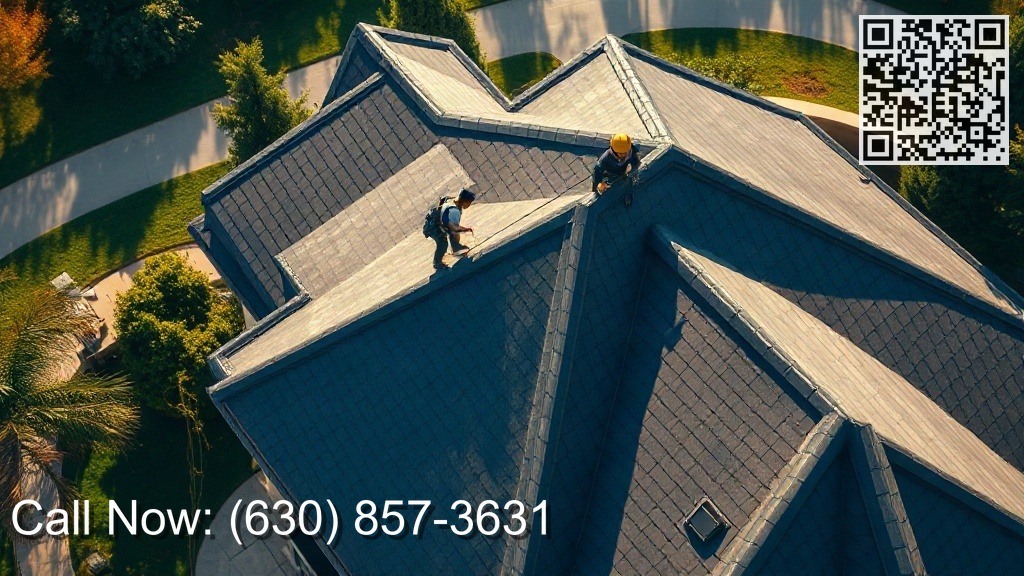
Choosing the best specialist in the Midwest
The product decision and the professional decision ought to take place together. A fantastic product on the incorrect house, or in the wrong hands, can disappoint. A thoughtful specialist narrows that threat by matching item, slope, blinking strategy, air flow, and aesthetic details to the real property.
A qualified artificial professional roofer must have the ability to discuss why one item is a much better fit than an additional without slipping into sales clichés. They should talk conveniently about freeze-thaw problems, ice security, attic room airflow, ridge details, snow losing habits, and utility years in the future. They should likewise have a profile with homes similar to yours, not simply generic supplier photos.
For homeowners comparing a synthetic roofing business versus standard roofing professionals who only periodically set up synthetics, experience issues. This category of roof is mature enough now that there is no reason to approve on-the-job experimentation.
The Midwest verdict
Architectural artificial roof covering has actually made its area because it answers a genuine regional demand. It provides home owners a means to record the depth and difference of slate, shake, or ceramic tile aesthetics without soaking up every downside those products can lug in a Midwest environment. It is not the most affordable course, and it is not always the most historically genuine course. But it is frequently the most balanced one.
For numerous homes, especially those looking for costs visual appeal and practical toughness, artificial roofing systems use a compelling center course. They lower weight, frequently enhance effect resistance, and lower routine upkeep while protecting a high-end architectural appearance. When paired with a solid layout fit and a regimented artificial roof setup, the result can be a roof that really feels both significant and sensible.
That balance is what makes synthetic roof covering Chicago property owners significantly request for, and what keeps it expanding throughout the wider area. In an environment that exposes every weakness one way or another, balance matters. A roofing system needs to look right, however it also has to maintain verifying itself after the novelty is gone, after the tornados come through, and after another winter clears up over the Midwest.
When Quality Matters
Salvo Architectural Roofing Contractors
566 West 5th Ave Naperville, IL 60563
(630) 857-3631
[email protected]
 Ask ChatGPT
 Ask Grok
 Ask Perplexity
 Ask Claude
 Ask Google AI
 Ask You
❧