October 3, 2026
Architectural Artificial Roofing vs Conventional Products in the Midwest
By @fernandobjdl714
Anyone that has invested a couple of years seeing roofing systems age in the Midwest learns swiftly that this region is ruthless. A roofing system below does not face one climate. It encounters all of them. January can bring ice dams, wind cool, and hefty snow remaining on the eaves for days. April often delivers freeze-thaw swings and hard rainfall. Summer bakes dark surfaces under strong UV exposure, then rolls in hailstorm and straight-line winds. Fall drops leaves into valleys and seamless gutters, trapping dampness where weak materials begin to fail.
That climate fact is the real backdrop for the conversation around architectural synthetic roof covering versus conventional products. Property owners are no longer picking entirely on look or preliminary cost. They are evaluating weight, weather efficiency, upkeep cycles, setup intricacy, and exactly how well a roofing system will certainly still look after ten or twenty Chicago-area winters months. In higher-end communities, that conversation gets back at more specific. People want the visual splendor of slate, cedar shake, or ceramic tile, yet they likewise want a system that does not penalize them with constant upkeep.
The surge of costs synthetic roofing is not a fad. It is a reaction to useful issues that conventional roof materials have constantly had, particularly in the Midwest.
What "building artificial roof covering" in fact means
The term gets utilized loosely, so it aids to specify it. Building artificial roof generally refers to crafted roof products designed to replicate the appearance of all-natural slate, cedar shake, or clay tile while improving effect resistance, reducing weight, and streamlining setup. Relying on the maker, these products may be made from advanced polymers, recycled composite blends, or various other crafted materials.
Not all synthetic roof coverings are created equal. Some are clearly entry-level alternatives indicated to strike a rate point. Others hold true premium artificial roof covering items with deep accounts, shaped appearance, custom-made shade blending, and accessory pieces that produce a finished, convincing roofline. The distinction issues. A bargain artificial roof shingles may look level and recurring from the road. A durable building item can trick many people until they are standing a few feet away.
In practical terms, the best architectural artificial roof aim to solve a tough formula. They try to protect the visual charm of https://salvoarchitecturalroofingcontractors.com/hybrid-slate-roofs/ tradition products while minimizing a few of the responsibilities that include them.
Why the Midwest changes the equation
A roofing product that carries out well in a dry, pleasant climate may let down severely in Illinois, Wisconsin, Indiana, or Michigan. The Midwest reveals weak points fast.
Natural cedar, for instance, can be stunning. Fresh cedar shake has warmth and deepness that home owners love. Yet on homes shaded by mature trees, especially near the lakeshore or in well established suburban lots, moisture retention ends up being a severe concern. Shakes can mug, split, darken erratically, and welcome moss or algae development. That does not indicate cedar is a bad product. It implies cedar demands the ideal setting and alert maintenance, which not every home owner is prepared to provide.
Natural slate is another instance. Properly sourced and installed slate can last a very long time. It brings unparalleled status. Yet slate is heavy, brittle under foot web traffic, expensive to repair, and ruthless of setup mistakes. In the Midwest, where roofing replacement typically complies with tornado occasions and insurance timelines, searching for crews with true slate expertise can be tough. One lost step on a cool morning can crack pieces that after that require specialized replacement.
Asphalt shingles, the default selection across much of the region, fix several of these issues but present others. They come and familiar, and a high quality architectural asphalt shingle stays a sensible roofing system for several homes. Still, Midwest hail storm, granular loss, thermal biking, and wind direct exposure can reduce real-life performance compared with what house owners expect when they hear a lengthy warranty term.
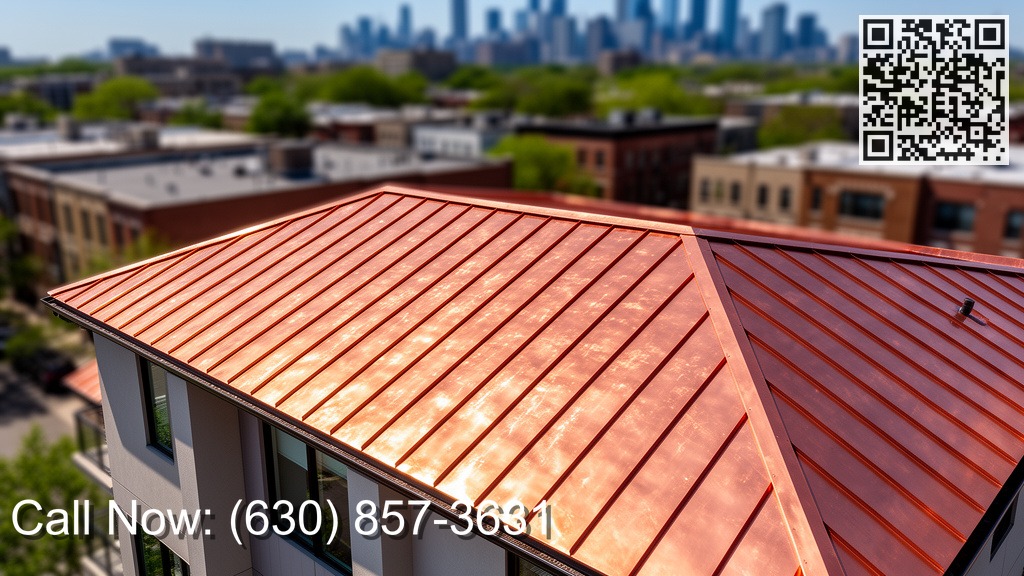
That is why domestic artificial roof covering has carved out a growing area in the marketplace. It rests between desire and practicality.
How synthetic roof covering contrasts to asphalt, cedar, slate, and tile
The greatest situation for artificial roofing roof shingles is not that they beat every standard product in every group. They do not. The case is that they often execute better across the classifications that matter most to Midwest homeowners.
Asphalt tiles still win on entrance cost. If budget plan is the first and overriding problem, asphalt continues to be one of the most usual solution. A property owner changing a typical country roofing system after tornado damages can often keep prices within a familiar array with laminated roof shingles. Yet the long-lasting image can change if repeated fixings, much shorter service life, or aesthetic limitations matter.
Cedar delivers charm that is difficult to fake when it is brand-new. On historic homes and specific building styles, it looks specifically best. Yet its upkeep concern is genuine. In neighborhoods with hefty tree cover, I have actually seen cedar roof coverings start revealing unequal wear well prior to proprietors expected it. When splitting and moisture cycling speed up, the roofing system can go from "weather-beaten and handsome" to "exhausted and at risk" faster than many people prepare for.
Slate is still the standard for status, but it brings structural and logistical factors to consider. Some homes require support to support it. Repair needs skilled hands. Blinking information become crucial. The material itself can last longer than numerous other elements of the house, yet just if the entire system is treated with that said exact same degree of care.
Clay and concrete tile are much less common in the upper Midwest than in warmer areas, partially as a result of style fit and partially since freeze-thaw conditions can be penalizing. Ceramic tile likewise includes weight and intricacy, and it does not make sense on every roof structure.
Architectural artificial roofing gets in that mix as a lower-weight, commonly impact-rated choice that can simulate slate or drink convincingly while tolerating Midwest weather far better than numerous proprietors anticipate. An appropriate synthetic roofing replacement can give the aesthetic statement of a deluxe roof without compeling the home to lug the architectural tons or the same maintenance needs of natural materials.
Appearance, and the concern homeowners rarely ask correctly
Most individuals ask whether synthetic roof covering looks "actual." That is easy to understand, yet it is not fairly the ideal concern. The far better concern is whether it looks proper on the house.
A fantastic roofing is not just an isolated product. It has to fit the scale, design, house siding appearance, stonework shade, window trim, and even the profile of the rain gutters and blinking. Some artificial products have hefty darkness lines and differed sizes that match a Tudor, French country, or lakefront custom-made home beautifully. Others look as well uniform for a premium construct and can in fact lower the outside if the pattern repeats as well obviously.
This is specifically vital with artificial roof covering for high-end homes. Purchasers on top of the marketplace notification information. They might not recognize the manufacturer from the driveway, yet they can inform when a roofing feels level, shiny, or disproportionate. The most effective premium artificial roof items stay clear of that trouble by mixing widths, astonishing reveals, and making use of combined coloration that resembles natural aging as opposed to a factory-printed monotone.
In locations such as Naperville, Hinsdale, Lake Forest, and components of the North Shore, roof selection commonly intersects with design evaluation requirements, area expectations, and resale positioning. A property owner looking for artificial roof covering Naperville IL is commonly not looking for the most inexpensive roof covering readily available. They are searching for the ideal visual result with fewer migraines over time.
Weight matters more than many people realize
Structural lots is not an extravagant subject, yet it drives numerous roof covering choices behind the scenes. Natural slate and ceramic tile can weigh several times more than asphalt or numerous artificial options. On a brand-new custom develop, an architect and engineer can prepare for that from the first day. On an existing home, the tale is different.
I have actually seen home owners fall for the appearance of slate, only to learn that bringing their mounting up to the necessary ability would include a considerable expense before a single roof ceramic tile was set up. That kind of exploration can thwart a project fast. Artificial roofing systems commonly preserve the preferred appearance while avoiding support work.
Lower weight likewise aids in subtler means. It can decrease anxiety on older framework participants, simplify staging and dealing with on website, and ensure roofing system layouts much more useful to implement. It does not eliminate the requirement for competent labor, yet it broadens what is practical on an existing Midwest home.
Hail, wind, and effect resistance
This is where artificial roof coverings frequently make their maintain. In the Midwest, tornado performance is not academic. Hail cases prevail enough that homeowners and insurance providers both pay very close attention to impact resistance ratings.
Many premium synthetic roof products are engineered to accomplish high influence resistance, frequently better than natural slate or cedar, which can break, split, or contusion under hail storm. That does not mean a synthetic roof is indestructible. Large adequate hailstorm can damage almost anything. But on balance, durable synthetic products often tend to absorb impact more forgivingly than fragile all-natural products.
Wind efficiency is additionally considerable in open suburban advancements and on homes near areas, golf courses, or lakefront exposures. Standard materials can fall short at bolts, sides, or private items when uplift forces discover a powerlessness. A correctly made artificial roofing installation, coupled with the appropriate underlayment and accessory elements, can carry out effectively in those conditions.
The catch is "correctly developed." A costs product set up carelessly will not measure up to its promise. That is why the selection of artificial professional roofer matters almost as long as the material itself.
Installation top quality is not a side issue
Homeowners often shop roof products as if installation were compatible. It is not. A synthetic roofing business that recognizes the line of product, regional code demands, slope changes, ventilation, blinking details, snow and ice patterns, and manufacturer-specific accessories will create a considerably different outcome than a staff attempting the material for the second or third time.
This comes up typically in artificial roof covering Chicago projects. Chicago and the surrounding suburbs have a big series of housing stock, from portable cottages to steep-roofed historic homes to huge custom-made houses with complicated valleys, dormers, and converging roofing planes. Synthetic products can manage that variety well, yet just if layout and detailing are done thoughtfully.
A knowledgeable synthetic roofing contractor Chicagoland house owners count on will typically begin by looking beyond the surface product. They examine attic ventilation, deck condition, flashing at masonry transitions, seamless gutter technique, ice-and-water defense, and whether snow guards or certain accessory items make good sense. They additionally focus on visual details. Direct exposure lines, starter placement, ridge therapy, and color selection can make the difference in between a roofing that looks fine-tuned and one that simply looks expensive.
When people employ artificial roofing system installers based just on the lowest bid, problems tend to appear in the details first. Misaligned courses, uncomfortable valley shifts, low-cost blinking steels, and irregular fastening patterns have a method of appearing within a few seasons.
Maintenance realities over time
One of the greatest disagreements for synthetic roof substitute is lowered maintenance compared with natural cedar or slate. That argument is normally reasonable, yet it needs to be specified carefully.
Synthetic roofing systems are lower maintenance, not no maintenance. Seamless gutters still require cleaning. Valleys still collect particles. Flashings still are worthy of periodic examination. Sealants around associated roof covering penetrations will certainly not last forever even if the area material is artificial. Branches scraping the roof can still develop cosmetic wear. Ice dam issues can still develop if the attic room is inadequately protected and ventilated.
What modifications is the vulnerability of the field material itself. An artificial slate or drink product is usually less most likely to split, rot, flake, or split under normal seasonal anxiety than natural wood or stone options. For many property owners, that reduced upkeep profile is the point. They desire the building look without needing to child the roof.
Cost, and where people frequently misinterpret value
It is very easy to contrast roofing system propositions by checking out the overall at the bottom of the web page. It is harder, and more useful, to compare worth over twenty or thirty years.
Synthetic roofing systems normally set you back extra in advance than standard asphalt shingles. They usually set you back much less than top-tier natural slate or premium cedar installations, especially when you factor in structural support, specialty labor, and lasting upkeep. That puts architectural artificial roofing in a middle-to-upper tier that attract property owners planning to sit tight, preserve aesthetic appeals, and minimize lifecycle headaches.
The blunder I see most often is treating every artificial choice as if it belongs in the very same pail. It does not. There is a genuine spread in product high quality, thickness, realistic look, warranty terms, and accessory completeness. Some producers provide robust system-based plans. Others mostly use field shingles and leave installers to improvise side and information problems. That can impact both look and durability.
For a homeowner contrasting propositions, the most valuable inquiries typically entail the whole system, not simply the visible tile or tile.
- What underlayment package is consisted of, particularly at eaves, valleys, and penetrations?
- Are flashings being changed totally, or reused where convenient?
- Does the installer have purposeful experience with this particular synthetic product?
- Are ridge, hip, and starter devices matched to the system?
- How will ventilation be attended to as part of the replacement?
Those responses commonly reveal extra regarding long-lasting worth than the material tag alone.
Where typical products still make sense
It would slouch to claim artificial roof coverings are always the very best solution. They are not.
For a stringent historical repair, all-natural products may be needed or just more appropriate. Some landmarked homes need to have genuine slate or cedar because that is part of their architectural identification. In other situations, a homeowner might genuinely value the aging and aging features of all-natural materials, also recognizing the extra upkeep they bring.
Budget also matters. If a family needs a reliable roof covering at the most workable upfront expense, a well-installed asphalt system might be one of the most rational option. There is nothing naturally incorrect keeping that. Roofing decisions must fit both your home and the property owner's priorities.
There are additionally style constraints. Some homes do not benefit from an artificial slate or drink account due to the fact that their style is too ordinary, too low-pitched, or as well modest in range for that material language to look natural. A roof needs to raise your home, not costume it.
Where synthetic roofing tends to shine
The toughest candidates for household synthetic roof are homes where appearance issues, tornados are a worry, and the proprietor wants a longer-term product without the weight and upkeep of typical deluxe products.
That typically consists of custom homes, upper-end rural residences, refurbished historic-looking properties, and residences with complicated roofing geometry where cedar or slate would drive prices sharply higher. It also includes property owners who have actually already lived through the disadvantage of another product. Someone who has actually replaced storm-damaged asphalt two times in fifteen years, or spent years preserving an aging cedar roofing, often tends to comprehend the allure quickly.
In the Chicago region, synthetic roof have actually located a particularly good fit on homes that want the visual personality of old-world products while standing better to hail, wind, and wintertime moisture. That is true from city areas with masonry-heavy architecture to western suburban areas where big homes rest revealed to weather across open lots.
Choosing the ideal professional in the Midwest
The product choice and the professional decision ought to happen with each other. A great product on the wrong house, or in the wrong hands, can let down. A thoughtful professional narrows that danger by matching item, incline, blinking technique, ventilation, and aesthetic information to the actual property.
A capable artificial professional roofer should be able to clarify why one item is a better fit than another without getting on sales clichés. They need to chat conveniently about freeze-thaw problems, ice protection, attic room air movement, ridge information, snow losing behavior, and use years down the road. They need to also have a profile with homes similar to your own, not just generic maker photos.
For property owners comparing a synthetic roof company against standard roofers who just periodically mount synthetics, experience matters. This group of roof is fully grown enough since there is no reason to accept on-the-job experimentation.
The Midwest verdict
Architectural artificial roof covering has earned its location due to the fact that it addresses an actual local requirement. It gives property owners a means to record the deepness and distinction of slate, shake, or tile aesthetic appeals without soaking up every disadvantage those materials can lug in a Midwest climate. It is not the cheapest route, and it is not always the most traditionally authentic course. Yet it is usually the most well balanced one.
For lots of homes, specifically those seeking costs aesthetic appeal and functional durability, synthetic roofing systems offer a compelling middle path. They decrease weight, often enhance influence resistance, and reduced routine upkeep while maintaining a high-end architectural look. When paired with a strong layout fit and a regimented synthetic roof installment, the result can be a roofing system that really feels both substantial and sensible.
That balance is what makes synthetic roof Chicago property owners significantly ask for, and what keeps it expanding across the wider region. In a climate that subjects every weakness sooner or later, equilibrium matters. A roofing needs to look right, however it likewise needs to maintain showing itself after the uniqueness is gone, after the storms come through, and after another winter season resolves over the Midwest.
When Quality Matters
Salvo Architectural Roofing Contractors
566 West 5th Ave Naperville, IL 60563
(630) 857-3631
[email protected]
 Ask ChatGPT
 Ask Grok
 Ask Perplexity
 Ask Claude
 Ask Google AI
 Ask You
❧